

Written by a mom who understands exactly how a 4 AM Instagram ad can look like a miracle, answering the ultimate question: are weighted sleep sacks safe?
So — Are Weighted Sleep Sacks Safe? Here’s the Straight Answer.
No gentle way to say this: the American Academy of Pediatrics and the CDC have both explicitly warned against weighted sleep products for infants. Not “use with caution.” Not “consult your doctor first.” A clear, direct warning.
And I know that’s hard to read if you’ve already been using one. Please keep reading — because the second thing I want to say is: you are not a bad mom. These products are marketed brilliantly, they’re sold in mainstream baby stores, and the brands behind them have done everything possible to make them look credible. The confusion is real and it’s manufactured on purpose.
But now that we’re here, let’s actually talk about the science — because once you understand what’s happening inside a baby’s body when weight is placed on their chest, the answer to are weighted sleep sacks safe becomes impossible to unsee.
Why Is This So Confusing? (Because the Brands Made It Confusing.)
Real talk: if you Googled “are weighted sleep sacks safe” before landing here, you probably found a mix of scary warnings and company websites confidently telling you their product has been “clinically proven” and “sleep consultant approved.”
That’s not an accident. The weighted sleep product industry is worth hundreds of millions of dollars, and the brands have very good lawyers and very good marketing teams who know exactly how to soften a safety warning into a caveat and dress up internal studies as clinical evidence.
Here’s what to know about those brand-sponsored studies: they are not independent peer-reviewed research. They are typically small, conducted over short periods, funded by the company selling the product, and they measure things like “parent-reported sleep duration” — not oxygen saturation levels, not arousal response, not the physiological markers that actually matter for infant safety.
💛 No Guilt, Just Information
If you’ve used a weighted sleep sack — maybe you’re using one right now — please don’t spiral. Lots of parents have used them because they were sold as safe and because nobody told them otherwise. You made the best decision you could with the information you had.
Now you have better information. That’s all this is. We pivot, we move forward, and we don’t spend one second beating ourselves up about it.
Here’s What Babies Actually Need to Sleep (It’s Not a Weight Vest)
The reason weighted sacks seem to work — and honestly, some parents do report that their baby settles more easily in one — is that babies genuinely are soothed by certain sensory inputs. The feeling of gentle pressure, warmth, and containment is calming. That’s real.
But here’s the thing: you can give babies all of those calming sensory cues without putting weight on their chest. What actually helps babies build longer, deeper sleep cycles is mostly about consistency and temperature, not products.
A consistent sleep routine — same sequence of events, same room, same sounds, same temperature — trains a baby’s circadian rhythm far more powerfully than any single product. Babies learn to fall asleep in environments that feel familiar. That’s the actual science of infant sleep.
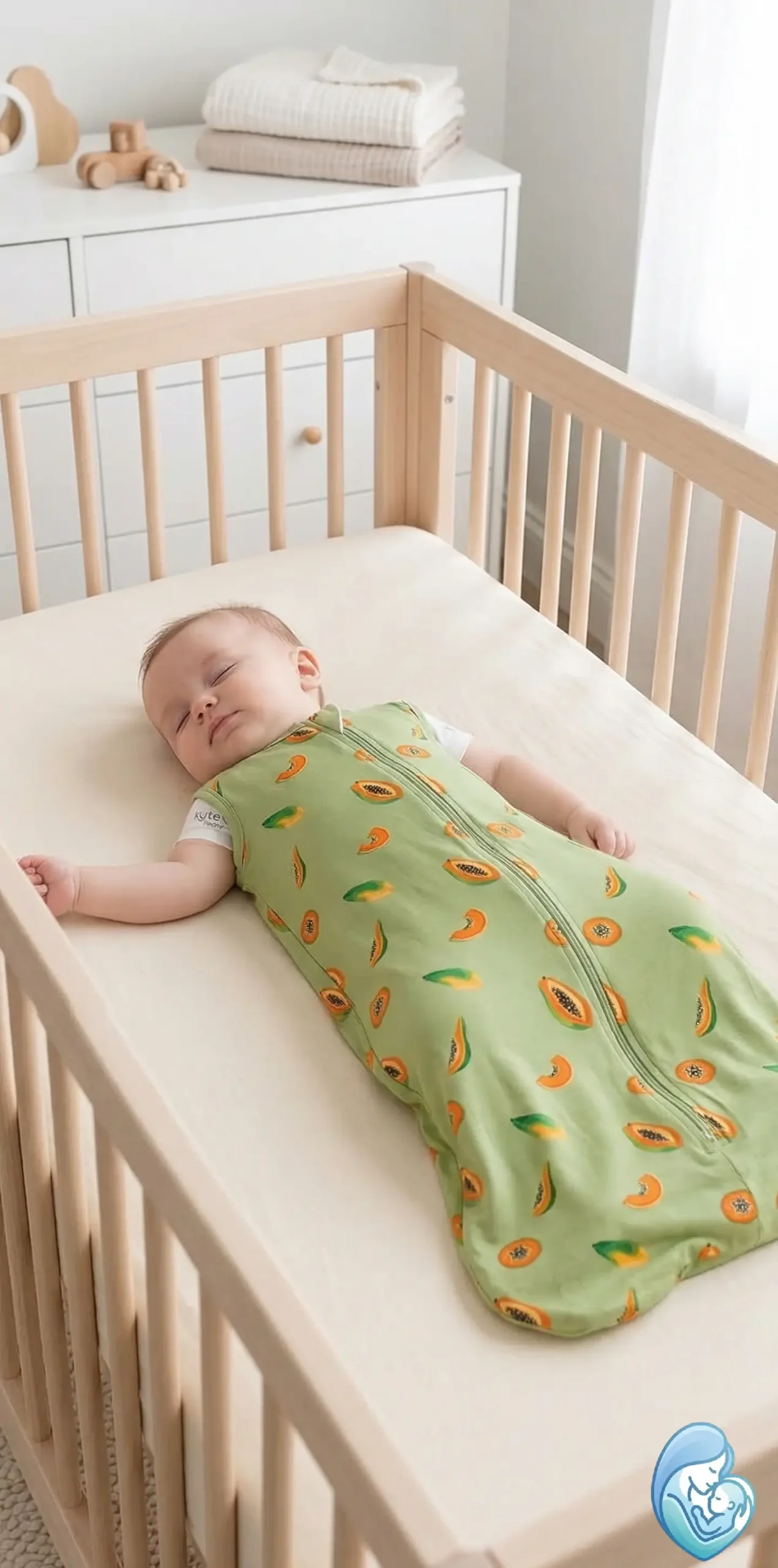
As for the “contained” feeling they love? A well-fitted wearable blanket — one that’s snug around the torso without any added weight — gives them exactly that. No compressed cartilage required.
🌙 Temperature Regulation
One thing parents underestimate: being too warm is one of the most common reasons babies wake up. The AAP recommends keeping baby’s room between 68–72°F and dressing them in a single layer under their sleep sack. A breathable, lightweight wearable blanket actually improves sleep quality because it keeps temperature stable — no overheating, no cold wake-ups from a kicked-off blanket.
“Your baby doesn’t need a miracle product. They need a safe environment, a consistent routine, and a parent who knows the difference.”
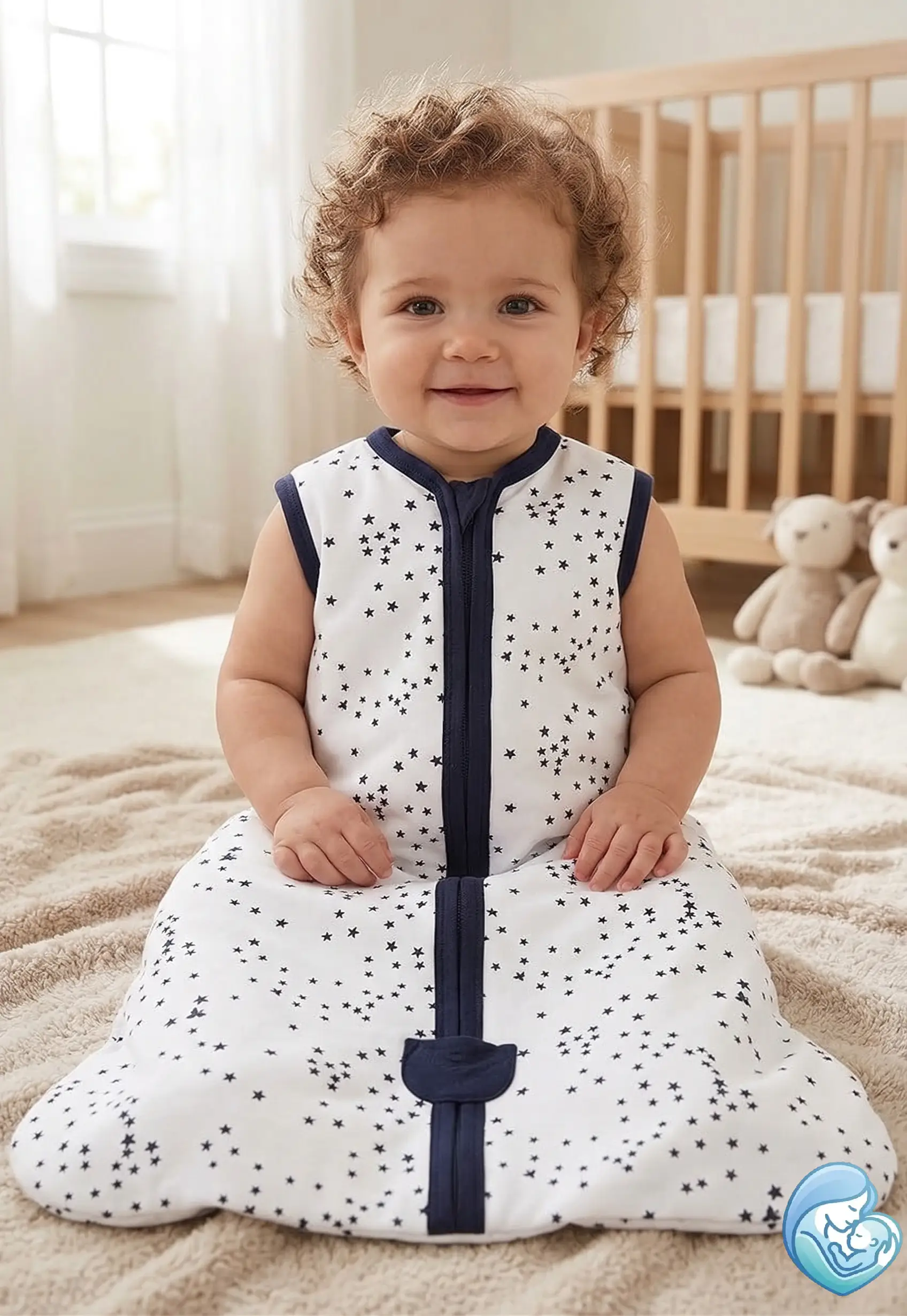
Three Safe Sleep Sacks That Actually Deliver — No Weights Needed
Okay, so you want to ditch the weighted sack — or you’re shopping for the first time and want to do it right. These are the three I’d recommend without hesitation. All AAP-compliant, all genuinely good, all for different budgets and priorities.
🌿 One More Thing
Whatever wearable blanket you choose — check the TOG rating for your room temperature, make sure it fits snugly around the chest without being tight, and keep the sleep space bare. No pillows, no positioners, no rolled-up blankets. Just a firm flat surface, a fitted sheet, and a well-fitted sleep sack.
That’s it. That’s the whole safe sleep setup. Nobody is selling that in an Instagram ad because there’s nothing to sell.
Safe sleep doesn’t have a shortcut, and it doesn’t come in a weighted package. But it does come with the ability to put your baby down at night and actually rest — because you know, without any doubt, that they’re in the safest possible environment.
That peace of mind? Worth more than any miracle product ever could be. 🌙
Sources & References:
- AAP via UVA / Cradlewise — AAP Revises Safe Sleep Guidelines for Infants 🔗 cradlewise.com | Published: April 10, 2024
- American Journal of Respiratory and Critical Care Medicine — Incomplete Arousal Processes in Infants Who Were Victims of Sudden Death 🔗 atsjournals.org
- https://www.familyhandyman.com/article/wifi-baby-monitors-safety-risks/